From the Italian olive harvest to your table, discover what makes extra virgin olive oil special — and why the way it's made matters.
Have you ever stood in front of a shelf of olive oils, wondering what extra virgin actually means? Is it about the taste, the quality, or simply a fancy label?
The answer begins long before the oil reaches the bottle. It starts in the olive grove.
The Magic of the Italian Olive Harvest
In Italy, olive harvesting is an autumn tradition, usually beginning in October and sometimes continuing until February, depending on the region and olive variety.
It's one of the most magical and productive times of the year. Families gather beneath ancient trees, and local mills fill with the unmistakable fragrance of freshly crushed olives.
After months of sunshine and patient cultivation, it's finally time to collect nature's precious fruit.
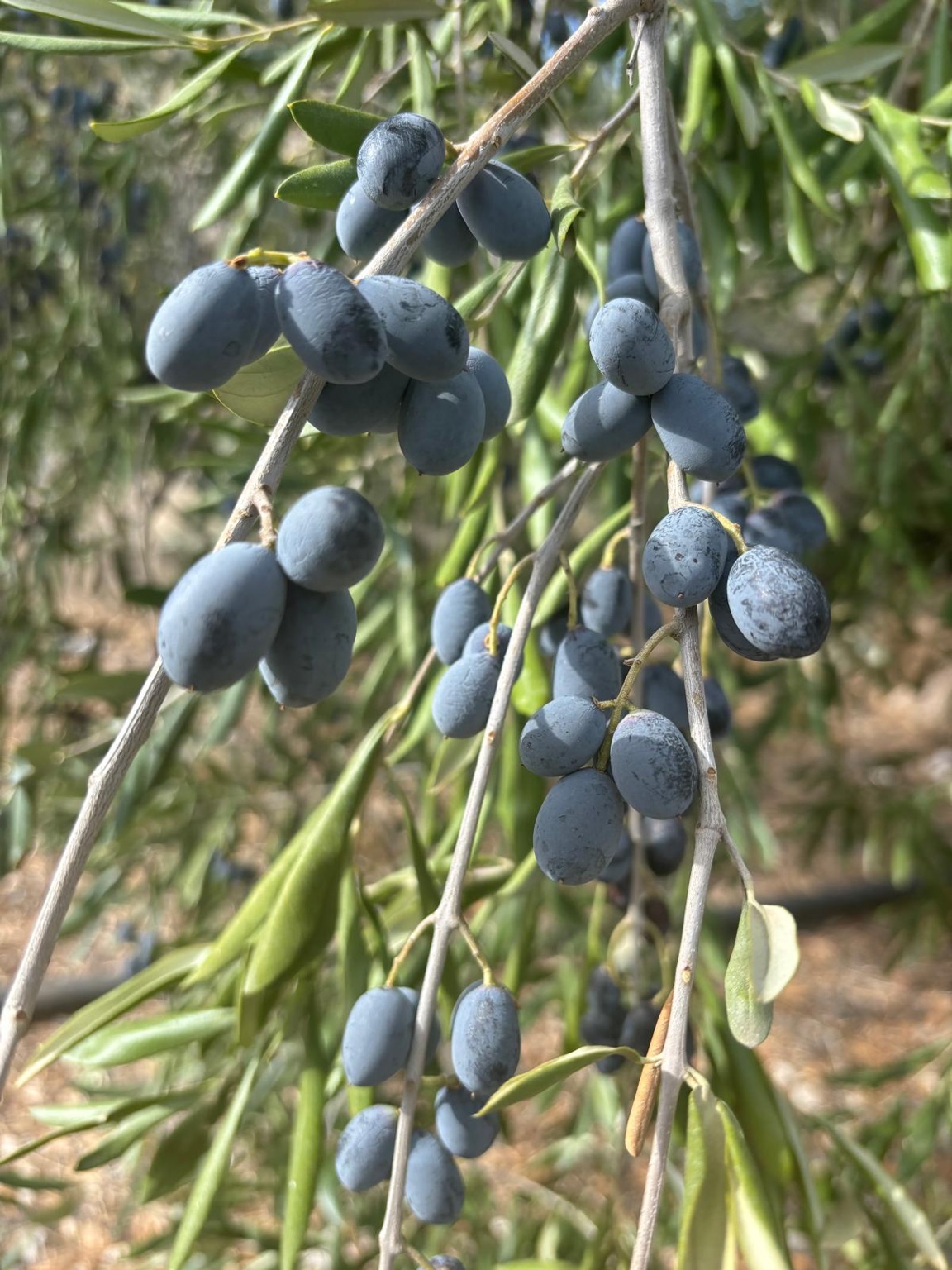
Olives are harvested at their ideal stage of ripeness, often while still green or just beginning to turn purple. The timing matters: it influences the oil's flavour, aroma, and natural antioxidants.
From the Tree to the Bottle
Once harvested, the clock starts ticking.
To preserve freshness and quality, olives should ideally reach the mill within 24 hours — often much sooner.
There, they are washed to remove leaves, dust and impurities before being crushed into a paste.
Next comes one of the most important steps: cold extraction.
The olive paste is gently mixed, and the oil is separated using mechanical methods only. When the process takes place below 27°C (80.6°F), the oil can qualify for the label cold extracted under European rules.
Why does temperature matter? Because excessive heat can compromise the delicate aromas and beneficial compounds that make high-quality olive oil so distinctive.
The freshly extracted oil may then be filtered before being carefully stored and bottled.
No chemical refining. No unnecessary processing. Just olives transformed into oil.
So What Makes It “Extra Virgin”?
Here's something worth knowing: not every cold-extracted olive oil is automatically extra virgin.
Extra virgin is the highest quality classification of olive oil.
To earn that name, the oil must meet strict standards. Its free acidity cannot exceed 0.8%, it must pass chemical quality tests, and it must have a fruity character without sensory defects.
In other words, extra virgin isn't simply about the first extraction. It's about the quality of the entire journey, from healthy trees and olives to the finished oil.
Why It Matters for Your Health
Extra virgin olive oil is valued for its monounsaturated fats and naturally occurring antioxidants, including polyphenols and vitamin E.
These qualities make it an excellent choice for everyday Mediterranean cooking, especially as an alternative to fats high in saturated fatty acids.
The COOK. Takeaway
Next time you choose olive oil, remember three things:
- Choose extra virgin: look for its quality classification on the label.
- Look for freshness: prefer dark glass bottles or protective tins.
- Taste the difference: a pleasantly bitter or peppery finish can be a sign of naturally occurring polyphenols.
At COOK., we believe that knowing your ingredients is the first step towards eating better.
Good food begins with good choices — one drop at a time.